
Upper blepharoplasty is a surgical procedure designed to improve the appearance—and in some cases the function—of the upper eyelids by removing or repositioning excess skin and fat. Often referred to as an upper eyelid lift, the procedure can create a more open, refreshed appearance while preserving the natural character of the eyes.
For people with heavy, hooded, or sagging eyelids, upper eyelid surgery may also help when excess tissue begins to interfere with peripheral vision. The goal is not to dramatically change the eyes, but to restore a smoother, lighter upper eyelid contour that looks balanced with the rest of the face.
What Is Upper Blepharoplasty?
Upper blepharoplasty is a procedure that addresses excess skin, fullness, and heaviness of the upper eyelids. During surgery, an incision is generally placed within the natural upper eyelid crease so that the resulting scar can remain relatively discreet as it heals.
Depending on the patient’s anatomy, the surgeon may perform excess eyelid skin removal alone or may also carefully remove or reposition small amounts of fat to improve the eyelid contour. The exact approach should be individualized rather than applying the same amount of tissue removal to every patient.
Upper blepharoplasty may be performed for cosmetic reasons, functional reasons, or a combination of both.
Upper blepharoplasty before and after
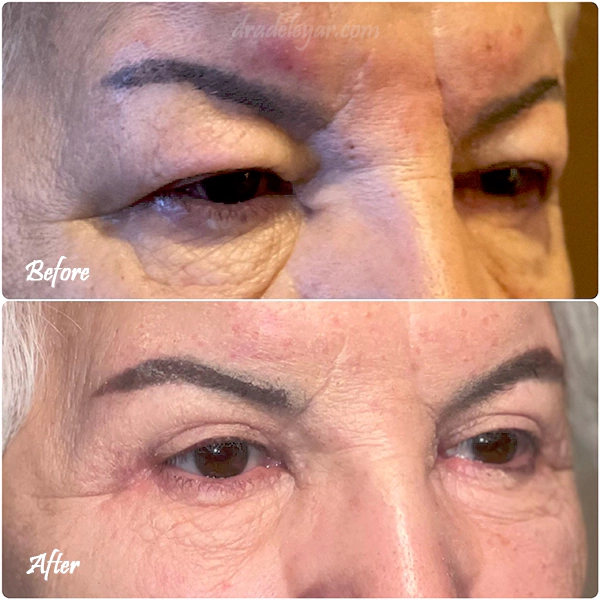
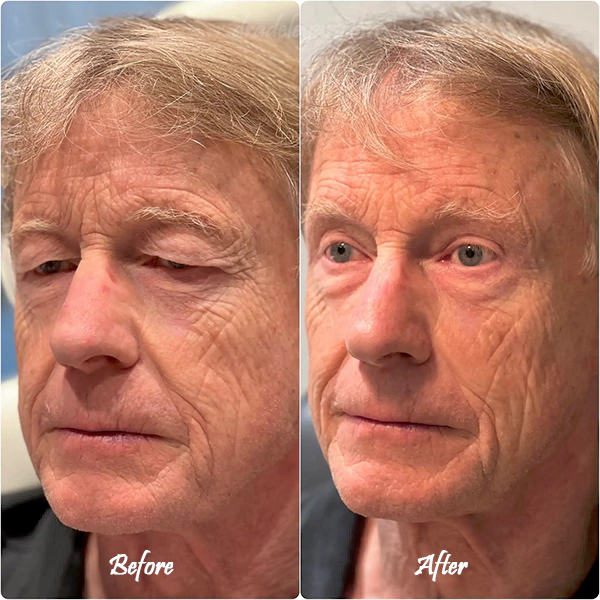
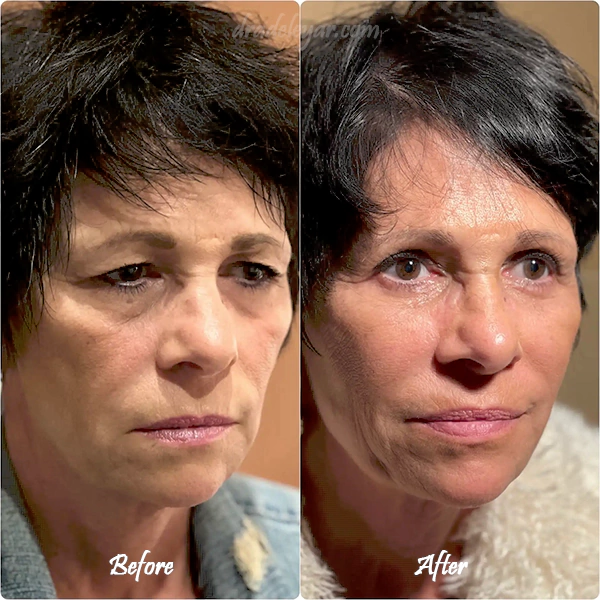
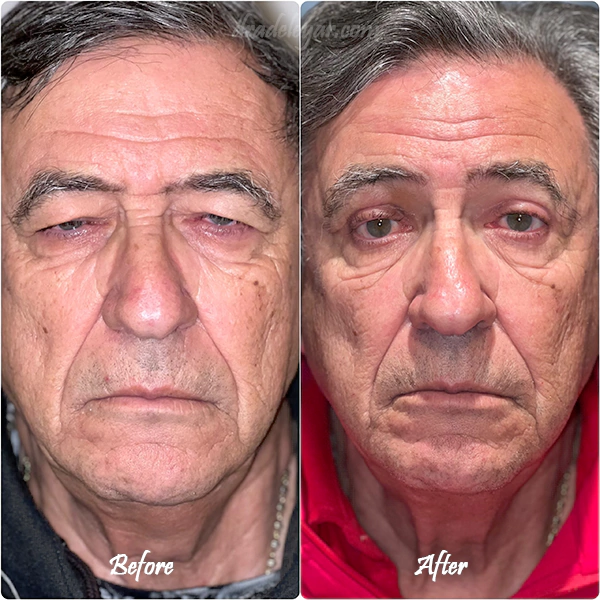
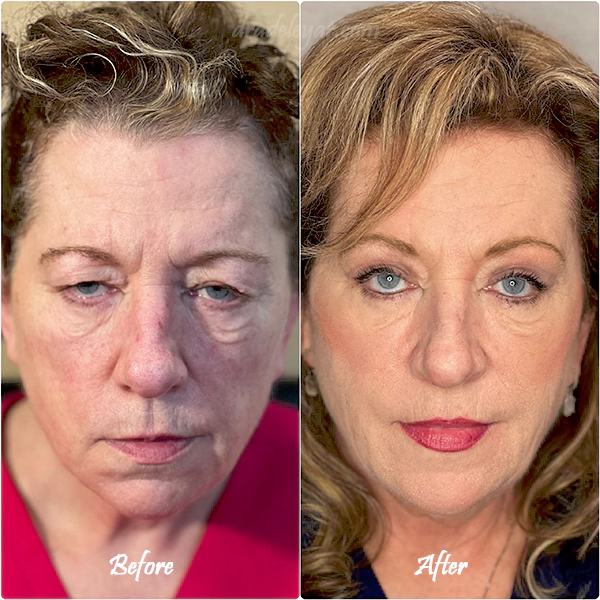
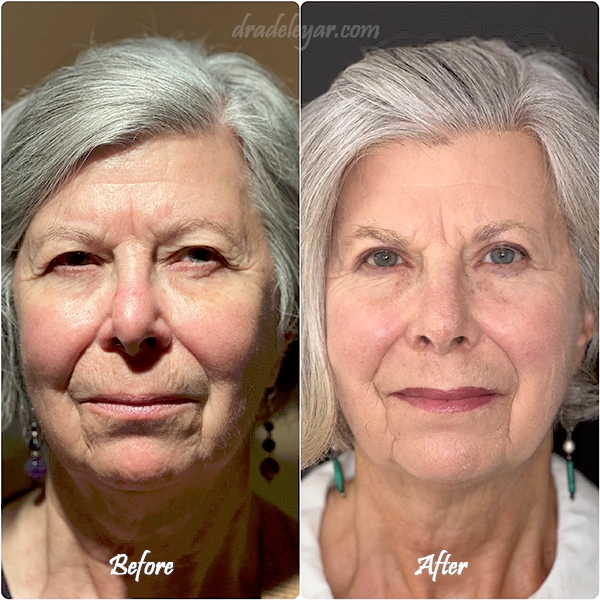
Considering upper blepharoplasty? Schedule a personalized consultation with Dr. Adele Eyelid Surgeon in the USA to discuss your eyelid concerns, aesthetic goals, eye health, and whether surgery may be appropriate for you.
Why Do Upper Eyelids Begin to Sag?
The tissues around the eyes naturally change with age. Eyelid skin can gradually stretch and lose firmness, while fat distribution and the position of the eyebrows may also affect how heavy the upper eyelids appear.
Genetics can play an important role as well. Some people develop hooded eyelids relatively early in adulthood even without significant age-related changes.
For patients considering sagging upper eyelids surgery, a careful examination is important because apparent eyelid heaviness is not always caused by excess skin alone. Brow position, eyelid muscle function, facial anatomy, and underlying eye conditions may all influence the final treatment plan.
Who May Be a Candidate for Upper Eyelid Surgery?
Upper blepharoplasty may be considered when excess upper eyelid tissue creates cosmetic concerns or interferes with vision. Common reasons patients seek treatment include:
- Heavy or sagging upper eyelid skin
- Hooded eyelids that conceal the natural eyelid crease
- A persistently tired or aged appearance around the eyes
- Excess skin affecting the upper or peripheral visual field
- Difficulty applying eye makeup because of redundant skin
- Desire for subtle eyelid rejuvenation without changing overall facial identity
However, not every patient with eyelid heaviness is automatically a candidate. Pre-existing dry eye, certain thyroid-related eye conditions, significant eye disease, previous eyelid procedures, or other medical factors may influence surgical planning. Harvard Health specifically notes that severe dry eye can become more noticeable after surgery in some patients because a more open eyelid can increase ocular surface exposure.
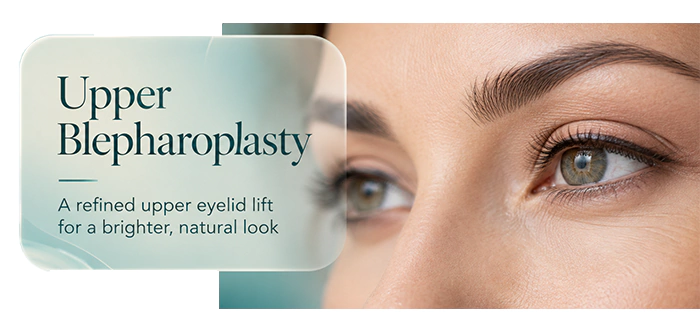
Hooded Eyelid Surgery and Personalized Evaluation
Hooded eyelid surgery should be planned according to each patient’s unique anatomy. Removing too much skin may produce an unnatural appearance or affect eyelid closure, while conservative surgery that respects the natural crease and surrounding structures can help preserve facial harmony.
This is why choosing an expert eyelid surgeon with a detailed understanding of both eyelid aesthetics and eye function is particularly important.
If hooded or heavy eyelids are affecting your appearance or vision, a consultation with Dr. Adele can help determine which eyelid rejuvenation options best fit your anatomy and goals.
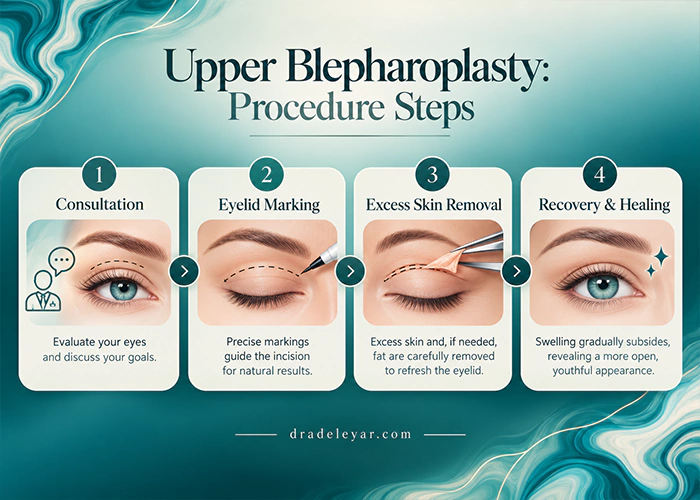
What Happens During an Upper Eyelid Lift?
Before surgery, the eyelids are carefully evaluated and marked. Depending on the treatment setting and individual needs, upper blepharoplasty may be performed using local anesthesia, sedation, or general anesthesia.
The surgeon typically creates an incision within the natural upper eyelid fold. Excess skin is removed, and fat may be removed or repositioned when necessary. The incision is then closed with sutures or another appropriate closure technique.
The amount of tissue removed is an important part of achieving natural results. Modern eyelid rejuvenation generally focuses on creating a refreshed appearance rather than an overly tight or hollow look.
What Is Recovery Like After Upper Blepharoplasty?
Swelling and bruising around the eyes are expected during the early recovery period. Some patients may also temporarily experience blurred vision, mild discomfort, tightness, or dryness.
Cold compresses and keeping the head elevated can help manage swelling during the first few days. Harvard Health reports that recovery generally progresses over approximately two to four weeks, although individual healing times vary.
Many patients notice that the eyes begin to look more open as swelling decreases. However, final refinement takes longer, and the incision continues to mature over time.
Patients should carefully follow their surgeon’s postoperative instructions regarding wound care, medications, activity, contact lenses, and follow-up appointments.
Possible Risks of Upper Eyelid Surgery
Although blepharoplasty is commonly performed, it is still surgery and has potential risks. These may include:
- Temporary swelling and bruising
- Dry eye symptoms
- Temporary blurred or double vision
- Difficulty fully closing the eyes
- Asymmetry
- Infection or bleeding
- Visible or unfavorable scarring
- Chemosis, or swelling of the eye’s conjunctival tissue
- Changes in eyelid position
More significant complications are uncommon, but proper patient selection, conservative surgical planning, and postoperative follow-up are important.
Functional vs. Cosmetic Upper Blepharoplasty
Not every upper eyelid procedure is performed solely for appearance. Significant excess skin can sometimes extend into the visual field and interfere with everyday activities.
When surgery is medically necessary because of documented visual obstruction, insurance coverage may sometimes be available depending on the patient’s individual plan and eligibility requirements. Visual field testing and standardized photographs may be required to document functional impairment.
Cosmetic blepharoplasty, by comparison, is performed primarily to improve eyelid appearance and is generally paid for directly by the patient.
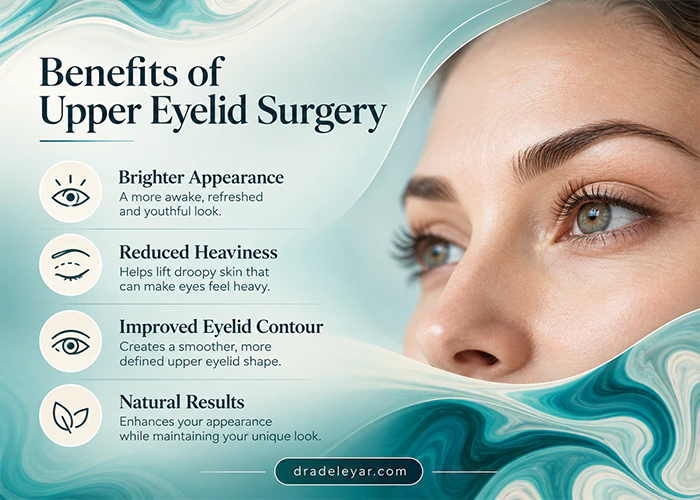
The Cost of Upper Blepharoplasty
The cost of upper blepharoplasty varies depending on the surgeon’s experience, the complexity of the procedure, the surgical facility, and whether additional treatment is needed. If excess upper eyelid skin significantly interferes with vision, the procedure may be considered medically necessary and could qualify for insurance coverage. Your surgeon can help determine whether documentation such as photographs or visual field testing is required by your insurance provider.
Is Upper Blepharoplasty Right for Me?
You may be a good candidate for upper blepharoplasty if sagging or hooded upper eyelids make your eyes look tired, hide the natural eyelid crease, or interfere with your vision. Candidacy depends on factors such as eyelid anatomy, eye health, skin quality, brow position, and your aesthetic goals, so a personalized evaluation is the best way to determine whether upper eyelid surgery is appropriate for you.
upper Blepharoplasty with Dr. Adele
Dr. Adeleh Yarmohammadi—known as Dr. Adele—is a board-certified ophthalmologist who provides facial aesthetic care, including upper eyelid surgery. She completed her ophthalmology residency training at the UC San Diego Shiley Eye Institute, where she served as Chief Resident and trained under recognized oculoplastic specialists Dr. Don Kikkawa and Dr. Bobby Korn. Her background in ophthalmology gives her a detailed understanding of eyelid anatomy, eye function, and ocular surface health, all of which are important considerations when planning upper blepharoplasty.
For patients considering upper eyelid rejuvenation, Dr. Adele takes a personalized approach based on eyelid anatomy, brow position, skin quality, eye health, and individual aesthetic goals. The aim is to create a refreshed, natural-looking result while preserving the character and function of the eyes. Dr. Adele currently sees patients in Beverly Hills and Santa Monica and also offers virtual consultations for eligible patients.
Ready to explore your options? Schedule a consultation with Dr. Adele to discuss upper or lower blepharoplasty, receive a personalized eyelid evaluation, and develop a treatment plan focused on balanced, natural-looking rejuvenation.
Frequently Asked Questions
Upper blepharoplasty results can often last 10 to 15 years or longer, depending on aging, genetics, skin quality, and lifestyle factors.
Yes, upper blepharoplasty is generally considered a safe procedure when performed by an experienced eyelid surgeon. Like any surgery, it has potential risks that should be discussed during consultation.
Most patients experience mild discomfort, tightness, and swelling rather than significant pain. Symptoms are usually manageable with prescribed or over-the-counter pain medication.
Possible downsides include temporary swelling and bruising, dry eyes, asymmetry, scarring, or the need for revision surgery in some cases. Choosing an experienced surgeon helps reduce these risks.
One Response